
Mouse and Rat Exterminator Cost: What Rodent Removal Runs
Need professional pest control? Here's an up-to-date cost guide so you know what to expect.

Delaney Price
Home Improvement Specialist
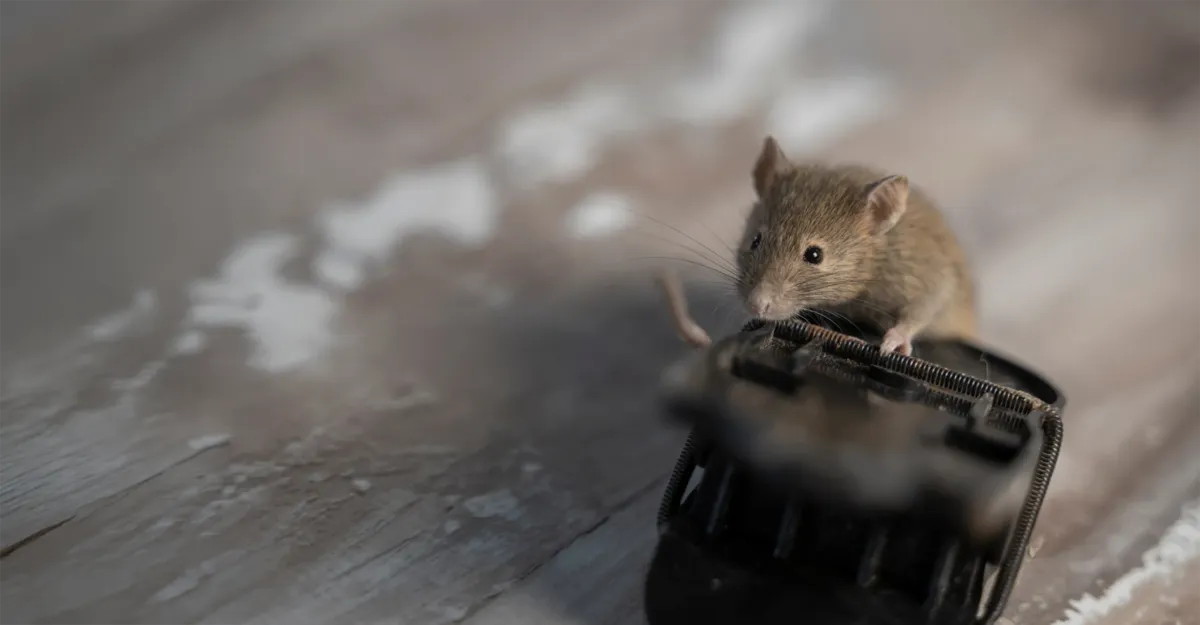
Mice cost slightly less to remove than rats on average, but the difference isn't dramatic. Professional mouse extermination typically runs $150 to $600, while professional rat extermination commonly runs $189 to $655, with an average of about $395. The final price depends more on infestation severity, treatment method, accessibility, follow-up visits and exclusion work than on the species alone.
Severe infestations can cost substantially more. If a pest-control professional recommends fumigation as a last-resort treatment for a major infestation, current estimates put the cost at roughly $1 to $3 per square foot . That means a large home could face a bill of several thousand dollars rather than the standard removal range.
Mice vs. Rats: Why Rat Jobs Can Cost More
Rats can cost more to remove because they may require different trapping methods, more substantial exclusion work and, in some cases, additional repair or cleanup. But there isn't a fixed price difference between the two species: infestation size, access, treatment method and the number of follow-up visits can have a bigger effect on the final bill.
Size does matter when you're sealing a home. A mouse can fit through an opening about the size of a dime, while a rat can fit through an opening about the size of a quarter. In practice, both species can exploit surprisingly small openings, so exclusion is important regardless of which rodent is present.
Cost by Service
Pricing depends on what's actually being done, not just which rodent you have.
| Service | Typical cost |
|---|---|
| Inspection | $75 to $200 |
| Professional lethal trapping | $150 to $475 |
| Professional baiting | $300 to $550 |
| Exclusion/sealing | $200 to $600 |
| Follow-up visit | $50 to $150 |
These are broad planning ranges rather than guaranteed prices. Some pest-control companies bundle inspection, treatment and follow-up into one initial-service charge, while others price each service separately. Rat and mouse treatments can also differ depending on the infestation and access conditions.
One-Time Service vs. Ongoing Rodent Control Plans
A single visit addresses the infestation that's already inside. An ongoing plan, usually billed monthly or quarterly, may include recurring inspections, monitoring, bait-station checks, trap resets and additional exclusion work.
Homes near fields, older homes with numerous potential entry points, or properties with recurring infestations may benefit from ongoing monitoring rather than paying for a completely new service each time rodents return.
Exclusion Work: The Part That Actually Ends It
This is the section that matters most. Trapping removes rodents that are already inside; exclusion and sanitation help prevent new rodents from replacing them.
Exclusion means physically sealing gaps and openings that rodents can use to enter, using rodent-resistant materials such as hardware cloth, metal mesh, sheet metal or other appropriate materials. Sealants can be used with these materials where appropriate, but caulk or spray foam alone may not withstand rodent gnawing.
A small gap around a utility line, a worn door sweep or an opening near the foundation can all provide an entry route. Mice can fit through openings about the size of a dime and rats through openings about the size of a quarter.
Attic and Wall Infestations
Rodents in an attic or wall cavity can bring cleanup costs beyond removal. Droppings, urine and nesting material can contaminate insulation, and heavily contaminated insulation may need to be removed and replaced rather than cleaned in place.
The cost can therefore go well beyond the initial extermination charge when an infestation has caused extensive contamination, damaged insulation or chewed wiring or other materials.
Why DIY Traps Can Fail on an Established Infestation
The math explains why rodent populations can grow quickly. A female house mouse can produce roughly 5 to 10 litters per year, with litter sizes commonly around 6 to 8 pups. Females can also become pregnant again within about 24 hours after giving birth.
A few store-bought snap traps may catch mice that are active in accessible areas, but they don't address rodents that remain hidden behind walls or in other inaccessible spaces. Professional rodent control commonly combines trapping or baiting with inspection and exclusion rather than relying on removal alone.
Signs You Have Rodents
Droppings near food storage or along baseboards, gnaw marks on wood, wiring or food packaging, scratching sounds in walls or ceilings at night, greasy rub marks along walls where rodents travel repeatedly, and nests made of shredded paper or fabric are all signs of rodent activity.
Several signs together make an active infestation more likely and warrant a closer inspection. CDC recommends looking for signs such as rodent droppings, gnaw marks and entry points when checking a home for rodents.
Health Risks Worth Naming
Rodent droppings and urine can carry disease-causing organisms, particularly when contaminated material is disturbed in enclosed areas such as attics or crawl spaces. Certain deer mice are associated with hantaviruses that can cause hantavirus pulmonary syndrome, a rare but serious respiratory illness.
CDC recommends never sweeping or vacuuming dry rodent droppings, because those activities can aerosolize contaminated material. Instead, contaminated areas should be disinfected and cleaned using the CDC's recommended wet-cleaning procedure.
Rodents can also carry and spread other infections, including Salmonella. If you're dealing with a heavy infestation in an attic, crawl space or other enclosed area, professional cleanup may be the safer option.
FAQs
How much does a mouse exterminator cost?
Most homeowners can expect roughly $150 to $550, with an average around $350.
How much does a rat exterminator cost?
Professional rat extermination typically costs $189 to $655, with an average of about $395. Severe infestations requiring unusual or extensive treatment can cost substantially more.
Why can rats cost more to remove than mice?
Rat jobs can require different trapping methods, more substantial exclusion work and additional repair or cleanup. However, infestation severity, accessibility, treatment method and follow-up visits can have a greater effect on the final price than species alone.
Is trapping alone enough to get rid of mice?
Not necessarily. Trapping removes rodents that are already inside, but sealing entry points and removing food and water sources helps prevent new rodents from entering. Exclusion is an important part of long-term rodent control.
What size gap can mice and rats fit through?
A mouse can fit through a hole about the size of a dime, while a rat can fit through a hole about the size of a quarter. These are useful visual rules of thumb rather than exact measurements for every rodent.
Are mouse droppings actually dangerous?
They can be. Rodent waste can carry infectious organisms, including hantaviruses. Never sweep or vacuum dry droppings. Wet contaminated material with disinfectant and follow CDC's recommended cleanup procedure.
Need Pest Control Now?
Connect with a local pest control professional immediately
- Same-Day Service
- Free, No-Obligation Quotes