
Circuit Breaker Keeps Tripping? Causes, Fixes, and Costs
What to do when your circuit breaker keeps tripping - A quick guide.

Beckett Hayes
Modern Home Innovator
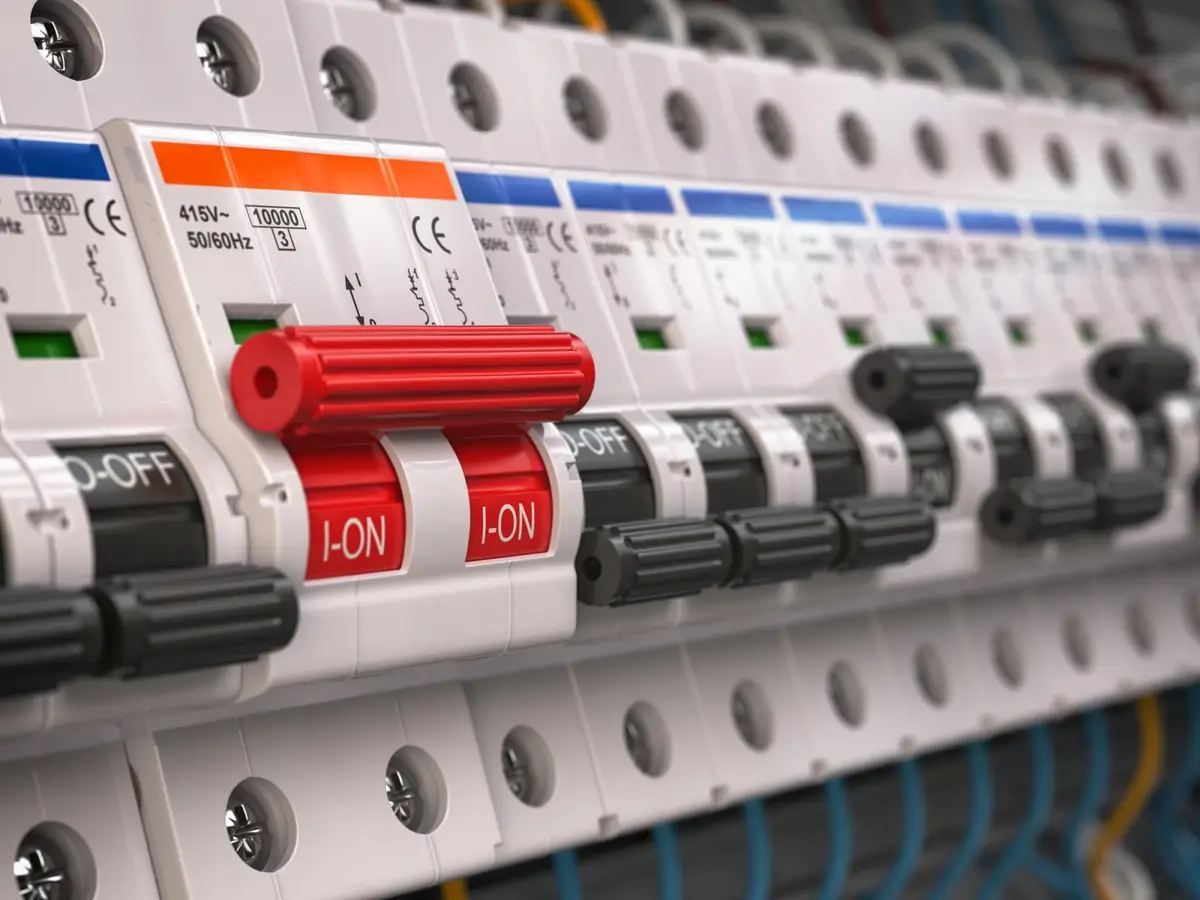
Standing at the panel with a flashlight? If your breaker keeps tripping, start here: push it all the way to OFF first, past where it feels stuck, until it stops. Then snap it back to ON.
Most "dead" breakers aren't dead. They're just stuck halfway, looking off when they're not.
Do that now. What happens next tells you everything.
Does It Hold, or Trip Again?
Holds: Likely an overload. See Overload below.
Trips instantly, or won't reset: Skip ahead and call an electrician. It's protecting you from something.
Trips later, or only with certain devices: Work through the sections below.
Overload
Too much drawing power on one line. This is why a circuit breaker keeps tripping in most homes, and it's the least dangerous reason. Space heaters, hair dryers, and window units are the usual triggers.
Fix: Spread the load across circuits or run big draws one at a time. If your breaker keeps tripping every time you use the room normally, the circuit is undersized. Call an electrician.
Short Circuit
A hot wire touching a neutral or ground wire, often from damaged insulation or a pinched wire behind a nail. A short circuit trips the breaker instantly, sometimes mid-plug.
Fix: Unplug the circuit and reset it. Holds empty? Add items back one at a time. Still trips empty? The short's in the wiring. Call an electrician.
Ground Fault
A hot wire contacting a ground path, usually through moisture. That's why a ground fault shows most in bathrooms, kitchens, and outdoor outlets.
Fix: Check for a tripped breaker on the GFCI outlet on the same circuit and reset that first. It solves this for most people. Still tripping? Call an electrician.
The Breaker Failed
Age and repeated overloads weaken the spring until it trips under normal loads, or won't hold a reset with nothing connected.
Fix: Swapping a single breaker runs $100 to $200 for parts, with labor on top at $50 to $100 per hour. The job itself takes around 30 minutes. It means opening a live panel, so skip the DIY route.
AFCI Nuisance Tripping
Home built or rewired after 2002, label says AFCI? This may not be a fault at all. AFCI breakers watch for the signature of an arc, and some devices mimic it. Vacuum cleaners are a classic trigger: sparks inside the motor can read as a fault. Dimmers and shared-neutral wiring do the same.
Fix: Note what's running when it trips. Same device every time is usually harmless, but have an electrician confirm it.
Half My House Has No Power
If half your house has no power, it usually isn't a single breaker. It's a lost leg (one of two power feeds failing) or a main panel problem.
Not a DIY job. Call the utility first to rule out an outage. Power confirmed reaching the house? Call a licensed electrician. Don't open the panel yourself.
When It's an Emergency
Stop and call now if you notice:
- Burning smell near the panel or an outlet
- Buzzing or crackling from the panel
- A panel warm or hot to the touch
- Scorch marks or melted plastic near a breaker
- A breaker that won't reset after repeated tries
Arcing is how electrical fires start: more than 30,000 U.S. home fires a year, with hundreds of deaths and injuries. Cut power to that circuit if you safely can, and call an electrician immediately.
Repair Cost Breakdown
Cost ranges vary by region, electrician, and what's found on the circuit. Get at least two quotes before committing to repair.
| Issue | Low | Average | High |
|---|---|---|---|
| Overload | $0 | $150 | $300 |
| Short circuit | $60 | $200 | $400 |
| Ground fault | $100 | $200 | $350 |
| Failed breaker | $100 | $150 | $200 |
| AFCI nuisance trip | $100 | $200 | $350 |
| Lost leg / main breaker | $500 | $1,100 | $2,000 |
Hourly labor runs $50 to $100.
Electrical Panel Replacement Cost
If it's the panel, not one breaker, electrical panel replacement cost typically runs $518 to $2,192, averaging $1,346, and can reach $4,500 with permits or an amperage upgrade.
Check the panel label first. If it says Federal Pacific, Stab-Lok, or Zinsco, call an electrician — even if nothing is tripping. These panels, installed from the 1950s through the 1980s, have a documented history of breakers that don't trip when they should. They were never recalled, which is why they remain legal, but electricians replace them on sight.
FAQs
How do I reset a breaker correctly? Push it all the way to OFF, past the stuck point, then firmly to ON. A partial reset is why people think a working breaker is dead.
Is it dangerous if a circuit breaker keeps tripping? Not always. Occasional overload trips are normal. Instant trips, no reset, or odd smells or sounds need an electrician.
Why won't my circuit breaker reset? A circuit breaker won't reset when there's still a short, a ground fault, or a failed breaker on the line. Unplug the circuit and try again. Still won't hold? Call an electrician.
What does half my house having no power mean? A lost leg or main panel issue, not a single breaker. Call the utility, then an electrician.
How much does electrical panel replacement cost? Around $1,346 on average, with most jobs falling between $518 and $2,192. Federal Pacific or Zinsco panels should be replaced regardless of cost.